

In this rapidly evolving digital landscape, engaging customers effectively is vital than ever, especially in the retail sector. Traditional fixed displays are diminishing their impact, prompting businesses to explore innovative solutions that not only grasp attention but also boost sales. Digital signage has arisen as a formidable tool, revolutionizing the way brands communicate with their audiences. It delivers the ability to deliver engaging content in real time, adapt messages to targeted demographics, and design captivating experiences that resonate with consumers on a deeper level.
As we delve into the complex world of digital signage, we'll discuss how it can increase foot traffic and sales, the details of selecting the right technology, and the newest trends reshaping corporate environments. From enhancing customer experiences in retail settings to optimizing internal communications in organizations, digital signage is establishing itself as an essential asset. Join us as we uncover the strategies that make digital signage not just a visual tool, but a key ingredient for achievement in contemporary business. ### Boosting Store Foot Visitor Numbers with Digital Signage
Electronic signage has emerged a game-changer for retailers aiming to boost foot traffic. By utilizing colorful displays, companies can seize the attention of passersby more effectively than classic static signs. High-impact visuals and dynamic content create an interactive environment that invites would-be customers to enter. This strategic use of striking graphics and videos showcases promotions, new arrivals, and events, making stores more inviting and stimulating interest.
Moreover, the ability to change content in real-time allows retailers to react swiftly to trends and customer preferences. Whether it's showcasing flash sales or seasonal promotions, electronic signage provides the flexibility to modify messages based on immediate demands. For instance, targeted campaigns can increase traffic during peak shopping hours or unique events, boosting the effectiveness of marketing strategies. This timely communication not only attracts more foot traffic but also improves the overall shopping experience.
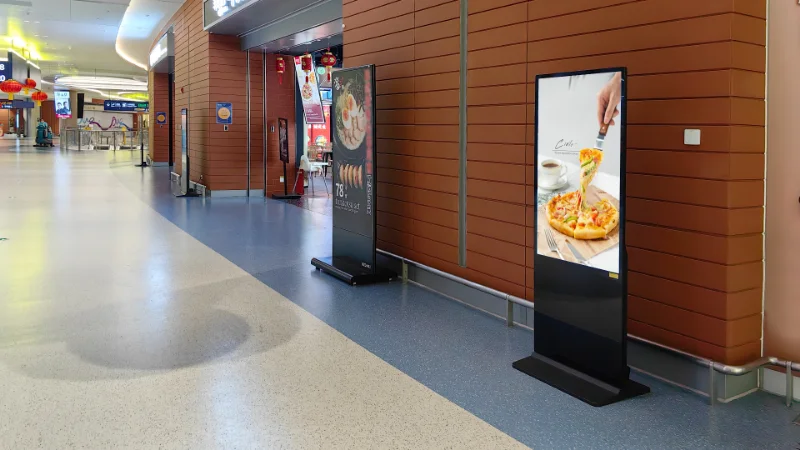
Additionally, interactive digital signage options, such as kiosks, further involve customers by offering information and personalized suggestions while they browse. These systems can offer wayfinding assistance, product details, or tailored promotions based on customer interaction. By incorporating technology that enables customer participation, stores can create unforgettable experiences that promote longer visits and increased spending, ultimately boosting sales and establishing customer loyalty.
Selecting the Right Technology for Digital Displays
Selecting the right technology for digital displays is important for achieving peak performance and visual impact. The key screen technologies on the market include LCD, Organic Light Emitting Diode, and DLED, each providing unique advantages related to the application. Liquid Crystal Displays are widely recognized for their cost-effectiveness and diverse lighting options. In contrast, OLED displays shine in providing vibrant colors and deep blacks, making them perfect for environments where image quality is paramount. Direct View LED technology, known for its high luminance and durability, is often used in outdoor settings where visibility is necessary.
Furthermore, it is vital to factor in the specific requirements of your environment when selecting display technology. Factors such as light exposure, distance to viewer, and the planned content type can significantly influence the effectiveness of the display. For instance, a bright LED screen may be necessary for an external display exposed to sunlight, while a high-refresh rate display can enhance the viewing experience in fast-paced retail environments. Knowing these factors will help in arriving at an informed decision that aligns with your goals.
In conclusion, it’s crucial to keep upcoming scalability and maintenance in mind. As your digital signage needs evolve, the chosen technology should support enhancements and modifications without requiring a complete revamp of the system. Advanced sensors and cloud-based management tools can enhance the functionality of the displays while providing valuable analytics for enhanced decision-making. Choosing the best technology at present ensures that your electronic display will stay effective and relevant for the foreseeable future.
Maximizing Interaction using Adaptive Content
Adaptive content holds the ability to change digital displays from a unchanging viewing event into an engaging adventure for the public. With adding live data feeds, live changes, and tailored content, companies can seize attention more efficiently than ever. This may involve presenting current climate updates, social media posts, or live inventory levels, the potential to modify information based on audience choices and needs notably enhances engagement rates. This not only keeps viewers informed but also invites them to interact with the display, increasing foot traffic and enhancing the chance of transactions.
Another plus of interactive media is its potential to tell a story or communicate messages in a captivating way. Utilizing dynamic imagery, video, and animated content can improve the overall aesthetic of electronic signage, making it more attractive to audiences. Studies have demonstrated that interactive images can lead to higher memory retention compared to fixed pictures, encouraging clients to recall advertisements or branding more effectively. Since businesses strive to develop unforgettable experiences, committing effort in adaptive content strategies can lead to greater customer loyalty and client happiness.
Finally, the strategic use of dynamic content allows for focused advertising campaigns that connect with target audiences. By utilizing intelligent monitoring and AI, organizations can personalize the displayed content based on elements such as the hour, audience demographics, or ongoing situations. screenfieldnotes.com of tailoring not only promotes a stronger connection with the viewers but also maximizes the success of promotional campaigns. Since brands continue to evolve in their marketing tactics, utilizing dynamic media will be key to standing out in a competitive field.